
Monsoon, an Indian cuisine focused restaurant in the heart of the Gaslamp District, is part of the Monsoon Group’s four main establishments that serves San Diegians a taste of the country, not just curry. The brother and sister tandem of Chefs Rakesh and Ashley Popat have a wide assortment of appetizers, entrees, Indian breads, curries, tandooris and vegetarian dishes on the menu to satisfy even the most critical Mumbai and Calcuttan food connoisseurs. The Lentis n’ Lamb and the Bangalore Masala bolster this bevy of long-time family recipes and round out this epicurean experience. Monsoon has an all-you-can eat daily lunch buffet for just under $14 from 11 a.m. to 2:30 p.m. and on Monday nights ($20) from 5 p.m. to 9 p.m. so patrons can get their fill of flavorful fare. Its outdoor seating provides guests the chance to enjoy the warm weather and hustle and bustle of Downtown. Inside Monsoon the floor-to-ceiling waterfalls, the warm wood, and exposed stone provide diners with an elegant eating environment. If you want exotic and authentic Indian food, Monsoon is a must.
Read More ...We arrive at Monsoon on a fittingly rainy evening, as suggestive of the restaurant’s namesake as San Diego can muster. Escaping the inclement weather we are immediately immersed in a warmly exotic refuge. Seated side-by-side at one of the restaurant’s lush, saffron-colored banquettes, we gaze out at an architectural visual feast. The restaurant is a skillful blend of decorative influences, marrying East with West, the natural with highly contemporary constructions. Antique, Louis XVI-style chandeliers illuminate hand painted beams, and the bulbous bodies of sitars and tablas that decorate the walls. Hindu stone sculptures punctuate large murals depicting colorful scenes of India, juxtaposed against the sleek modernity of the bar and buffet area to the right. The tranquil sound of the trickling waterfall room divider echoes off rock pillars, mimicking the soft rain outside and transforming the space into an intimate dining oasis. Pulsing, global-inspired trip hop tunes mingle with this naturalistic soundtrack to create a lively, yet unobtrusive musical setting, building anticipation for our culinary journey. It is an environment that, like the menu, subtly blends diverse cultural influences, merging authenticity with experimentation, to create a unique global harmony.
While the menu at first glance reflects India’s distinctive culinary traditions, certain flavorful anomalies catch the eye: a starter of Masala Hummus, a Tandoori Chicken Caesar salad, and a Sundried Tomato and Basil Naan promise an epicurean adventure into uncharted flavor terrains. Not only does Monsoon transgress global culinary borders, it also introduces diners to the gastronomic diversity within India. Although predominantly North Indian in influence, Monsoon’s menu also features various regional dishes like Goa Fish from the Portuguese-influenced West, and Dizzy Nu Shak, a South Indian banana curry with certain East African influences. The beverage list is similarly diverse: a respectable, California dominant wine selection is offered alongside a tantalizing mix of themed martinis and cocktails that utilize traditional Indian flavors like chai tea and tropical fruits. Overwhelmed by the dizzyingly enticing menu options, my dining companion and I put our trust in the capable guidance of the Popat siblings, with mouths watering and expectations high from the spicy aromas perfuming the air.
We begin with brimming, stainless steel bowls of Malagatwany Soup. The scents of coriander and garam masala waft up from the bowl while black gram dal and chunks of chicken peek out teasingly from the thick, rich liquid and hint at hidden depths. It proves to blend the flavor memories of comfort embodied by homemade chicken soup with the rich spice mysteries of its culinary culture of origin. The lentils and yogurt blend together to make a creamy, hearty broth, punctuated by the meaty chicken pieces, and infused with the complexities of its enigmatic seasonings, all of which is amplified when soaked up by the naan’s “blank canvas” accompaniment. The soup manages to make the foreign familiar, while still maintaining a welcome exoticism. It is a memorable start to the evening that portends to redefine my notions of winter comfort food.
A trio of appetizers is brought to the table in a riot of colors. The vibrant red Chilli Chicken, accented by luscious strips of red bell pepper, contrasts beautifully with the green fan of lettuce leaves and sunny yellow lemon slices that garnish the dish. Again, the air is filled with tantalizing scents, dominated by the tickling heat of chilies and a pleasing citrus acidity. Tasting the dish reveals surprises obscured from olfactory detection. The dish combines the smoky, spiced flavors of traditional Indian tandoori with a sweet and sour more characteristic of Cantonese cuisine. The two disparate cultural cuisines are blended masterfully together by Chef Popat, creating a bold and unique dish that manages still to maintain the distinctive culinary traditions of each culture.
The Desi Chatt elevates classic Indian street food to the refinements of haute cuisine. Two large samosa triangles entice us with their golden, flaky exteriors. Part of each triangle is dipped generously in a tantalizing spiced raita-a traditional yogurt condiment mixed with cucumber and mint. Yellow-orange mango slices and orange carrot slices punctuate the plate with appealing color explosions. Upon biting into the samosa, my mouth is immediately hit with a pleasing assault of spicy heat from the spiced potato and pea mixture inside the buttery crust. With expert timing, the cool raita swoops in and soothes my tongue, while simultaneously enlivening taste buds with citrus and mint. Like any good street food, Monsoon’s Desi Chatt proves difficult to resist, fulfilling all our fried food yens while still maintaining an epicurean eloquence.
We are next served three whimsical cocktails: the punchy Bollywood Night, the tropical Passiontini, and a Masala Hummus “cocktail”, served cheekily in a towering martini glass over a plate of garlic naan segments. Both beverages transport the palate to paradisal destinations: the passionfruit and mango sweetness of the Passiontini and the minty, blackberry refreshment of the rum-based Bollywood Night balance the spicy heat of the meal and echo the exotic atmosphere. The Masala Hummus is similarly refreshing, exciting the taste buds with unexpected flavor fusions. The subtle dusting of garam masala transforms the traditional Lebanese dish into a tasty exemplar of harmonious cultural exchange. The pungency of the garlic naan infuses the Hummus with a welcome intensity.
Our entrees arrive together in a dizzying array of aromas and colors, accompanied by a variety of chutneys and sweet and savory naan to complete the edible rainbow. The startling red of the Chicken Tikka Masala catches my eye first. Large chunks of tandoori chicken stew in a thick, red masala sauce over a contrastingly verdant bed of lettuce leaves. The smoky char imparted by the tandoor oven distinguishes Monsoon’s chicken tikka from others I have tasted, adding textural integrity and a roasted heartiness to the typically soupy dish. It is well paired with the Channa Masala, a spiced chickpea dish of satisfying simplicity. Like the Chicken Tikka Masala, the Channa Masala is a study in texture: each plump chickpea balances the buttery softness and firm nuttiness of any expertly prepared legume. With a similar flavor profile, the Channa Masala helps extend the pleasurable experience of the Chicken Tikka Masala, causing it to linger longer in the memory of our mouths.
The undisputed stars of this course, however, are the Lamb Korma and Dizzy Noo Shak. In varying hues of umber and sienna, the two curries both complement and contrast each other visually and flavorfully. The Korma’s onion pungency and saffron floral notes balance the gamey lamb, while the sprinkling of golden raisins in the dish add light, sweet accents and greater complexity. The Dizzy Noo Shak similarly blends spice with sweet. While as faultlessly authentic as the other entrees, this banana curry is rarely seen at Indian restaurants. Chef Popat drew on her diverse upbringing to recreate this dish from her childhood in East Africa: its Swahili name and South Indian heritage trace the pattern of her family history around the globe and through her mother’s kitchen. True to its inspiration, the Dizzy Noo Shak embodies the deep satisfaction and familiarity of a home cooked meal: the sweet starchiness of the banana is reinforced by the creamy coconut base, while the distinctive flavors of cumin, mustard seeds, and a multitude of more subtle spices add a curried savoriness to the dish. It imparts a sweetness to the Lamb Korma’s dark heartiness. Together they warm me to my core, expanding my notion of comfort food into new, exotic territories.
Three of the restaurant’s most popular desserts are temptingly presented on a platter brimming with vibrant strawberries, blackberries, raspberries, and kiwi half moons. The Mango Mousse towers above the rest: a creamy orange confection served in a martini glass. Light as a cloud, it dissolves into a sweetly ethereal mango vapor in the mouth, invigorated by the tartness of its fresh fruit accompaniment. Monsoon’s Kheer, a traditional Indian rice pudding, stands next to the Mango Mousse in a preciously dainty parfait glass, topped with a fruity strawberry “flower” garnish. Creamy, and nearly floral with cardamom, it is both light and rich, without the cloying sweetness of other puddings. Departing from the silken desserts that precede them, the Chocolate Samosas are a textural enticement. Drizzled with chocolate sauce, these flaky, buttery pastry triangles conceal delectable chocolate centers, resulting in a flavor delightfully reminiscent of pain au chocolat. A bite of strawberry adds a tart decadence to the chocolate treats.
The aromas and taste memories expressed by Monsoon's culinary ideology cling to my senses long after our unwilling departure. Blending the familiar with the exotic, regional specificity with notions of universality, Monsoon functions as an epicurean articulation of our growing globalized culture, and the potential pleasures yielded by harmonious cultural exchange. It is a most delicious, forward-looking optimism.
Copyright © Restaurant Agent Inc.
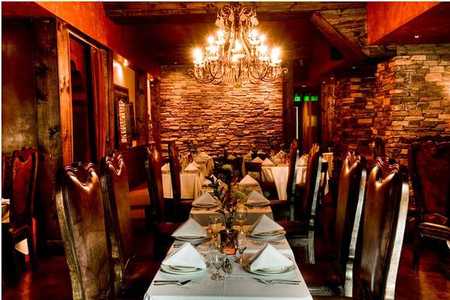
Interior view of Monsoon Restaurant located in downtown San Diego

Monsoon
Monsoon
Monsoon
Monsoon
Monsoon
Monsoon
Bar
Specialty Dishes
Interior view of Monsoon Restaurant located in downtown San Diego
Interior view of Monsoon Restaurant located in downtown San Diego
Interior view of Monsoon Restaurant located in downtown San Diego
Interior view of Monsoon Restaurant located in downtown San Diego
Interior view of Monsoon Restaurant located in downtown San Diego
Interior view of Monsoon Restaurant located in downtown San Diego
Interior view of Monsoon Restaurant located in downtown San Diego
Interior view of Monsoon Restaurant located in downtown San Diego
Interior view of Monsoon Restaurant located in downtown San Diego
Interior view of Monsoon Restaurant located in downtown San Diego
After reading both positive and negative reviews, we decided to give Monsoon a shot. We are so glad we did! We made our reservation for 8pm Saturday evening, we needed to push it back to 845pm. It was no problem. The waitress was a nice girl that took great care of us. The food was just as we ordered, fantasicly spicy! Everything was just great for our night out. Highly recommend Monsoon!
We reserved a table at Monsoon from out of town based on its high recommendations. We were not disappointed. The ambience was lovely and inviting. The food was delicious as expected. But it was the service that really put Monsoon over the top. We had arrived a little earlier than the crowd that eventually settled in, and our host let us select our own table. He continued to show attentiveness without being overbearing, and that set the right tone that allowed us to enjoy our meal with friends. I would also recommend Monsoon and would consider eating there again next time we're in San Diego.
We enjoyed the service, selection, and quality of food.
Nice service and some of the best Indian food we've had. My husband raved about his lamb tikka masala. I loved everything.
My husband and I ate dinner here last week and were not disappointed. We had the Aloo Chatt Massala, Garlic Naan and Nariyar Curry - all were absolutely delicious. We also enjoyed quite a few cocktails and martinis which were just as good as the food! We would not hesitate to go back again. Service from the hostess to the waiter to the busboy was superb!
This restaurant offers great food and refreshing ambiance. Well worth the price of the lunch buffet. They have two varieties of Naan and many many selections for authentic indian food.
The restaurant has a lovely atmosphere and a friendly greeter and the food was good and reasonably priced.
excellent food and service but a little pricy ,, but coupons are available at sandiegorestaurants.com
Monsoon provided a great meal, excellent wait service and a lovely setting for a fine dinner in San Diego.
Great place to actually have conversation with your friends. The food was really good and very filling. If I'm in the mood for Indian food would definitely come back.
dont make me write a review after i just took your survey
I must find out about Indian cuisine, but every dish tasted the same for me. Little variety, warm dishes. After the first plate I could not continue eating because the strong flavor of the food.
I and my husband were so carried away with the review for Monsoon restaurant at 4th avenue down town that we could not stop ourselves from dining there. We reached there at 9:00 pm and felt good to see that vow..it was flooding. It was hard for us to wait but realizing it was weekend, we were like ok..But we got the seats immediately and then were first served by water. Now starts the real experience. After about 10 minutes a waitress comes in takes our order. We ordered for Mutter paneer, paneer tikka masala, garlic naan, plain naan, and rice as sides. Much for two but we were hungry.
Now starts the real story. After 45 minutes we get to have our dinner, which spoils the mood as such and then all our excitement about the food vanished discovering that the preparation was just an average, primarily because of the sweetness of the paneer tikka masala which should not have been there. The first side bowl of rice was served in a bowl and the second in a Karahi which seemed like somebody picked up an empty vessel dipping in a bowl of cooked rice and just brought it. We asked for some chopped onions. After 10 minutes of our dinner we reminded for chopped onions, but did not get..and then..when we were about to finish the dinner we called the waitress to get the bills. At last moment a waiter brought us about couple of tiny slices of onions with chilies in a very small bowl for a cost of $4.95. Believe me till now I have eaten in more than 20 Indian restaurants in different parts of US, but I was shocked to discover this kind of service.
In total..a complete awful Service and an average food preparation. NEVER EVER will go there again
Monsoon "Fine" Cuisine of India is, first of all, absolutely filthy. I was seated by the "waterfall" which is moldy and only looks nice from far away. There was a lot of rice and other food items all over the floor, practically rubbed into the old carpeting. My silverware was spotted, and so was my water glass, and so was my wine glass, and I had to have the buss boy exchange my dinner plate for one without grease smeared all over it. When I used the restroom, I was not surprised to see paper all over the floor, a spotted mirror, greasy television screen, and vanity which looked like no one had attempted to clean it for weeks. Going back to my table I could also see into their garbage pit of a kitchen, and smell the fresh aroma of trash, or spoiling food... I hope it was in the trash can!
My dinner was, well spoiled by the whole experience. The moldy smell of the waterfall, the non-indian club music, the filth, my waiter who was condescending/unpleasant/and tried to tell me what to order, ignoring my dietary restrictions. My dinner was spoiled by the young manager gathering staff in the middle of the restaurant constantly to have 'serious' looking conversations with them. It looked like he was either yelling at them, or alerting them to some crisis all night, but none of it had to do with cleaning anything.
The phone kept ringing way too long. My waiter complained about his job to me. My bill was served to me in a grease covered vinyl book. And when I left, the hostess said "see ya." If that's the way Monsoon does business, fine! Just, please don't call it Fine Dining, call it Indian Diner or fast food. Drop the dinner price from $17+ to $4.50. Serve food on plastic plates if you're not interested in washing them. Have a walk up counter so customers don't have to deal with the unpleasant staff.
Honestly, I would like to take the owner(s) to a nice restaurant so that they can see what Fine Dining actually is. Even a restaurant such as Bennigan's could teach them a lesson about cleanliness and service... perhaps even Inn-&-Out. After that, they can work on their manners.
Yours Truly, Jon "notamonsoonfan" Ficolli
Don't waste good money on this poor quality food. I could not finish my meal, it was nasty, big lumps of fatty grizzly chicken. We ate there about 2 years ago but thought we would give it another chance, I wish we hadn't!!! It's a shame it's a nice location and beautiful restaurant even the service was good. Just the food lets it down so badly.


